

Login
Disclaimer
Massage Therapy Through a Neuroscience Lens
Tuesday, June 30, 2026, 10:26 AM
Massage therapy is often associated with the musculoskeletal system (muscles, tendons, and fascia) to relieve physical tension, but the deeper story begins in the nervous system. To understand how massage creates change, we first have to look at how the nervous system processes information through touch.
Neuroscience focuses on understanding the nervous system, which includes the brain, spinal cord, and the nerves (neurons) that carry signals throughout the body. Every time we think, feel, move, or breathe, we can thank our nervous system for being hard at work.
In this article, we explore the relationship between massage therapy and the nervous system as well as how therapeutic touch may influence the body's response to stress, pain, and recovery.
Nervous System: The Body's Command Centre
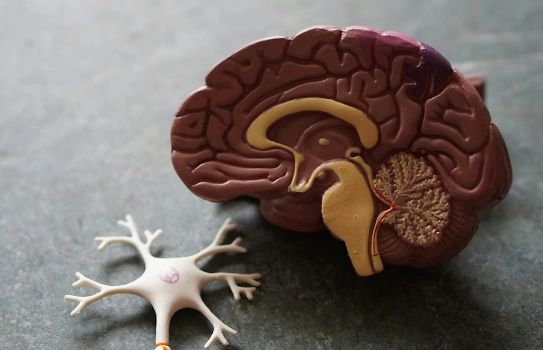
Think of the nervous system like a command centre that controls everything from pain, tension, movement to emotion. It is constantly gathering information from inside the body and the outside world.
When the body is touched, sensory information travels from the receptors in the skin and deeper tissues through the peripheral nerves to the spinal cord and brain. The brain then processes this information and determines an appropriate response, which can range from feelings of discomfort, stress, safety, or relaxation.
How the Body Detects Touch
Different mechanoreceptors respond to different types of stimulation, which is why light touch, deeper pressure, or slow movement can feel very different.
The skin, fascia, muscles, and joints have specialized sensory receptors called mechanoreceptors. These receptors detect things like pressure, stretch, vibration, and movement, and the human body has millions of them.
During a massage, mechanoreceptors are activated and send signals through sensory nerves to the spinal cord and brain. This sensory input helps the brain monitor what is happening within the body and contributes to body awareness, movement control, and touch perception.
Different mechanoreceptors respond to different types of stimulation, which is why light touch, deeper pressure, or slow movement can feel very different.
The Autonomic Nervous System
The autonomic nervous system regulates many involuntary functions, such as heart rate, breathing, digestion, and stress responses.
It has two main branches: sympathetic (fight or flight) and parasympathetic (rest and digest).
The sympathetic nervous system helps the body respond to stress or danger. It is responsible for increasing heart rate, tightening the muscles, and releasing the stress hormones as the body prepares for fight-or-flight response.
In contrast, the parasympathetic nervous system slows heart rate down, deepens breathing, supports digestion, lowers stress hormones, and helps the body repair and recover.
Some studies suggest that massage may be linked with changes in the autonomic nervous system, including signs of increased relaxation, such as changes in heart rate variability and stress-related hormones.
For example, a review of massage therapy research found that moderate-pressure massage was associated with increased vagal activity, an indication of parasympathetic nervous system activation, and decreased cortisol levels (stress hormone).
How the Nervous System Affects Muscle Tension and Pain
Pain is not a direct measure of tissue damage, but rather an output of the brain based on the information gathered from sensory signals, past experiences, emotions, the environment, expectations, and other factors.
Because of this, two people with similar tissue (physical) conditions may experience very different levels of pain.
Muscles do not relax on their own. They contract and release based on signals from the brain and spinal cord.
When the nervous system feels safe, the muscles are more likely to soften and relax. When the nervous system feels stressed, the muscles may tighten as a protective response.
Pain is also produced and regulated by the nervous system. It is not a direct measure of tissue damage, but rather an output of the brain based on the information gathered from sensory signals, past experiences, emotions, the environment, expectations, and other factors.
Because of this, two people with similar tissue (physical) conditions may experience very different levels of pain.
Massage therapy may influence pain by delivering non-threatening sensory signals to the nervous system. This can help reduce the perception of threat and encourage relaxation, supporting a more regulated response to pain.
A 2024 systematic review found that massage therapy shows beneficial effects for several painful conditions, including cancer-related pain, surgical pain, and neck and back pain.
Neuroplasticity: How the Nervous System Learns
Neuroplasticity refers to the nervous system's ability to change and adapt based on experience. Over time, repeated experiences can strengthen certain neural pathways and weaken others.
For example, long-term stress may train the nervous system to stay more alert and tense, whereas repeated calm and safe experiences may support a more relaxed response over time.
Can Massage Therapy Influence Neuroplasticity?

Some research suggests that repeated positive sensory experiences, including touch, may help support changes in how the nervous system responds over time.
A 2026 study showed that gentle, repeated touch (like the kind used in massage) can help the brain make new connections and calm stress pathways. This happens because our skin sends signals to the brain that can shift mood, lower pain, and support healthy brain changes over time.
Neuroimaging studies have found that massage can produce short-term changes in brain activity associated with relaxation, attention, and body awareness.
However, repeated sessions showed different patterns of acute physiological responses, such as large electroencephalogram (EEG) shifts or sharp cortisol drops.
In environments where massage was delivered over weeks, participants showed better stress levels, improved mood, and less pain, even if their feeling of relaxation became less intense.
Massage as a Nervous System-Based Intervention
From a neuroscience lens, massage therapy can be best understood as a way of providing sensory input to the nervous system. This input travels through sensory nerves to the spinal cord and brain, where it is processed and interpreted.
This shows that therapeutic touch is not only about working on tissues, but also about interacting with the systems that interpret and regulate the body's internal experience.
Massage therapy may support the mind-body connection by influencing the communication between physical, emotional, and physiological responses. Neuroscience can help grow our understanding of how massage therapy can support health and well-being.
As a massage therapist, consider how your communication, clinical reasoning, and therapeutic environment may influence the nervous system's response to care, and reflect on how you can incorporate these principles into your own practice.
Stay current with emerging research to support your clinical decision-making and patient care, and look out for future NHPC research webinars.